

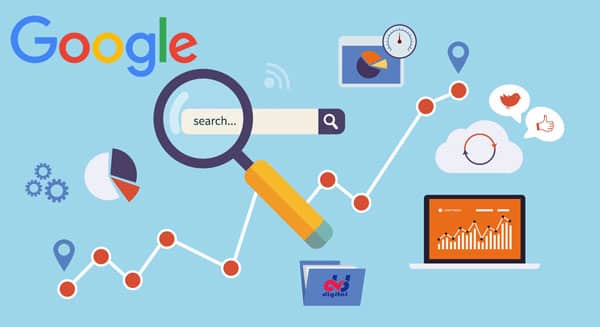
Search engine optimization is a key factor in the success of any website. If your website is properly optimized, it will perform better and rank higher in search results. This means increased inbound traffic and, as a result, increased opportunities to attract new customers.
In addition to improving search engine rankings, an optimized website also provides a better user experience. This increases the time users spend on the site and reduces the bounce rate, which is considered a positive ranking metric by Google. In this article, we will look at five important reasons to optimize your website for search engines and provide tips to help you optimize your site more effectively.
What is SEO and why is it important?
SEO or Website optimization for search engines is an abbreviation for Search Engine Optimization. This process involves a set of techniques and strategies that increase the visibility of your site in Google search results and other search engines.
✅ Increase organic traffic by improving your search engine rankings
✅ Increase brand credibility by appearing on the first pages of search engines
✅ Attract potential customers by showing your site in relevant searches
For example, let’s say you own a fitness website where you offer diet and exercise programs. If you publish an article about weight loss and use SEO strategies correctly, people who search for the phrase “how to lose weight?” are likely to find your site. Website optimization for search engines helps you deliver the right content to your target audience at the right time and increase your chances of attracting customers.

Five Key Reasons to Optimize Your Website for Search Engines

Search engine optimization is one of the most important things you can do to improve your website’s performance. Combining SEO strategies with conversion rate optimization (CRO) can lead to increased traffic, improved user experience, and ultimately increased sales.
To better understand, we first need to understand how SEO and conversion optimization complement each other and how they can create a reliable, efficient, and highly effective website. Below, we will explore five key reasons why optimizing your website for search engines is important.
1. Make your website valuable to your specific audience
One of the most important principles of website optimization for search engines is that your site should be useful to both users and Google’s algorithms. Some marketers assume that Google can’t rank their valuable content properly or that they see a significant drop in their site traffic after an algorithm update.
But in reality, your goals and Google’s are similar:
✅ Provide the best possible content to your audience
✅ Create an optimal user experience
✅ Categorize content based on value and relevance to search
Of course, you and Google pursue these goals in different ways. Google crawls millions of websites, while you analyze the behavior of your specific audience. This search engine uses more than 200 ranking factors to determine the position of pages in the results and carefully evaluates whether the content of a page meets the needs of searchers.

To optimize your website for search engines, you should:
🔹 Choose targeted keywords that are relevant to users’ needs.
🔹 Create valuable and engaging content that engages users.
🔹 Use metadata such as title, meta description, and image alt tags to help Google better understand the content of the page.
If you want to optimize your website for increased conversion rates, you need to create a clear path for users; such as inviting them to subscribe to your newsletter or purchase a product. Just as Google strives to show exactly what users are searching for, you should also give users exactly what they need.
Combining SEO and conversion rate optimization will make your site both more attractive to users and rank higher in search results, resulting in more engagement from visitors.

2. Increase Organic Traffic with Search Engine Optimization
One of the most important benefits of optimizing your website for search engines is increasing organic traffic. Many businesses spend a portion of their revenue on paid advertising. For example, if a company has $1 million in annual revenue, it might spend about $10,000 on advertising. In some industries, such as retail, advertising costs are even higher.
However, SEO is a more sustainable and less expensive way to attract an audience. It is true that you have to spend money to produce high-quality content, technical optimization, and link building, but these costs are much lower compared to pay-per-click (PPC) advertising and have a longer-term impact.

🔹 Comparison of organic and advertising traffic:
According to statistics, the click-through rate of users on organic results (Organic CTR) is about 15%, while the click-through rate on paid ads is estimated to be less than 2%. This shows that users trust the results that appear naturally on the first page of Google more.
Therefore, investing in SEO and producing valuable content can increase sustainable traffic in the long run and reduce dependence on paid ads. Although it may take some time to see SEO results, you will spend less and be more productive in the long run.
3. Leverage existing traffic through website optimization for search engines
One of the important goals of website optimization for search engines is to attract and retain visitors. When people come to your site, the goal is not to have them wander aimlessly and eventually leave. Instead of having these visitors wander aimlessly, you should optimize their user experience in a way that encourages them to spend more time on your site and eventually return.
To optimize your website for conversions, you need to examine user behavior on your site. Do users scroll to the bottom of the page? When do they click on your calls to action (CTAs)? These tips can help you design your site to have a higher conversion rate. If a user joins your email list, you can use this opportunity to re-engage and offer special offers.
You can also encourage visitors to follow you on social media, visit your product pages, and read your blog posts. These strategies will increase your bounce rate and organic traffic.
Optimizing your website for search engines not only helps attract new traffic, but can also keep existing visitors coming back to your site and increasing conversions. By understanding your users’ needs and behaviors, you can provide offers that your visitors will respond to.
4. Make your website work harder with SEO
Building a website may be easy, even a beautiful one. But only a few people are able to build a website that converts and delivers reliable results. After all, the average conversion rate in many industries is less than 2.5%, and as a website owner, you should strive to increase this rate. To do this, you need to conduct a thorough analysis of your audience and identify their needs so that you can provide optimized content for them.
In SEO, using data and analyzed information can significantly increase conversion rates. When visitors arrive on your site, they should easily find what they need. If you do it right, they will appreciate your services and brand and be more likely to return.
Ultimately, while SEO is paramount, you can’t convert without organic traffic and targeted visitors. Therefore, creating a website with engaging and valuable content that is properly optimized for search engines gives you a huge opportunity to attract new and loyal visitors.

5. Give your audience exactly what they want
Imagine you have an e-commerce website where you sell athletic shoes. A customer needs running shoes and does a Google search for “best running shoes.” You’ve written a detailed and comprehensive article on choosing the best running shoes, including brand recommendations and information for different types of runners. Visitors read the article, and at the end, you direct them to a page that shows a shoe size chart and different offers. All they have to do is subscribe to your email list.
A few days later, you send them discount codes for your online store along with pictures of running shoes. This customer will see that you understand their needs, and the discounts will motivate them to make an immediate purchase. As you can see, website optimization for search engines and conversion rates go hand in hand. By identifying your audience’s needs and helping them find what they want, you can easily attract loyal customers.
In conclusion
Website optimization for search engines is an essential strategy for growing online businesses. By improving SEO, you can:
- Attract more organic traffic
- Reduce advertising costs
- Increase conversion rates
- Provide a better user experience

Investing in SEO is a sustainable, long-term way to online success. If your website isn’t optimized for search engines yet, now is a good time to start!
Original Publication Date: 11/02/2002Update Date: 11/23/2003