


In the world of IT and web development, one of the most important and discussed topics has always been the difference between front-end and back-end programming. These two branches of programming are completely different in terms of roles, tasks, and skills required, but ultimately, collaboration between the two is needed to create a website or application with excellent performance.
In explaining the difference between front-end and back-end programming, we should say that front-end programmers focus on the parts of the website or application that are visible to users, while back-end developers create the infrastructure and functionality that support these parts. Both parts are vital for the optimal performance of the website or application. Many companies mistakenly get involved in comparing front-end and back-end in the process of developing new software. But today, there are many tools available to programmers that help them develop full-stack skills, so it might be easy for non-specialists to think that there isn’t much difference between front-end and back-end web designers.
Explaining the Difference Between Front-End and Back-End Programming
Front-end and back-end programmers work together to provide the systems needed for an application or website to function properly. But the concerns and needs of each are different. The term “front-end” refers to the user interface, while “back-end” refers to the servers, applications, and databases that work behind the scenes to process and send information to the user. As the user enters their request through the interface, the request is validated and sent to the server to extract the required data from the database and display it to the user.
What is front-end programming?
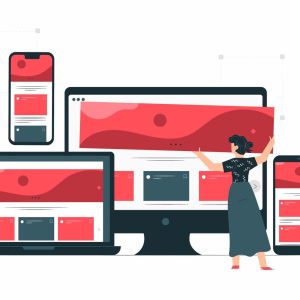
Front-end programming refers to the part of web development that deals with the user interface (UI) of a website or application. This part includes the elements that users see and interact with when using the website or application. In other words, the front-end is what users see and use.
Front-end programmers use languages such as HTML, CSS, and JavaScript to design and implement web pages. The main goal of this category of programmers is to create a smooth, attractive, and interactive user experience. Tools like React, Angular, and Vue.js help developers develop front-end applications more efficiently and quickly. To better understand the tasks and differences between front-end and back-end programming, let’s take a brief look at front-end programming languages.

HTML: The Core of Websites

HTML is the core and fundamental structure of a website, defining its overall design and functionality. It plays a fundamental role in structuring web pages and is used to display text, images, and other web elements. The latest version of HTML, called HTML5.2, was released in late 2017. The updated version includes new tools and improvements for web application developers.
This version provides features to enhance interactivity and optimize the user experience. One of the prominent features of HTML is Cascading Style Sheets (CSS), which allows developers to create attractive and interactive designs for websites. These tools, in a flexible and precise way, help websites display effectively and beautifully on a variety of devices and screens.
With the rapid growth of technologies and the increasing need for user-friendly websites, HTML remains one of the fundamental principles of web development. The language is constantly updated to meet the growing needs of users and developers and provide a better user experience.
JavaScript: A Dynamic Programming Language for the Web
JavaScript is an event-driven programming language that allows developers to create active and dynamic elements in static HTML web pages. This language allows programmers to access elements and respond to server-side events separately from the main HTML page. Along with JavaScript, popular front-end frameworks such as Angular, Ember, Backbone, and React are also popular.
These frameworks help developers keep up with the growing demand for enterprise software without compromising on quality, and have therefore established themselves as standard web development tools. One of the main challenges in front-end programming, also known as “client-side programming,” is the rapid pace of change in the tools, techniques, and technologies used to create the user experience.
Creating a simple and user-friendly user interface may seem like a simple task, but it can be challenging due to the differences in screen resolution and size of different devices such as mobile phones and computers. This challenge becomes even more complex when we think about the Internet of Things (IoT). The diversity in screen sizes and network connectivity has created new issues for developers. Therefore, developers must carefully manage these concerns and strike the right balance when designing their user interfaces.
What is back-end programming?
Unlike front-end, back-end programming refers to the parts of a website or application that are in the background and not directly visible to users. These parts are responsible for processing data, storing information in databases, and performing complex tasks such as server management and information security.
Back-end developers typically use programming languages such as Python, Java, Ruby, and PHP, and tools such as Node.js and Django help them along the way. Web servers, databases, and applications that process data are all part of the backend.
The backend, also called the server side, includes a server that:
- serves the data when requested
- an application that channels it
- and a database that organizes the data.
For example, when a customer browses for shoes on a website, they are communicating with the frontend. After selecting the item, adding it to their shopping cart, and authorizing the purchase, the information is stored in a database on the server. A few days later, when the customer checks the status of their delivery, the server extracts the relevant information, updates it with data tracking, and presents it through the front-end.
Back-end tools: databases and development frameworks
The main concern of back-end programmers is to develop applications that are able to find data and send it to the front-end. For this purpose, many developers use reputable and reliable databases such as Oracle, Teradata, Microsoft SQL Server, IBM DB2, EnterpriseDB, and SAP Sybase ASE.
In addition to these enterprise databases, there are other popular databases used in backend development, including MySQL, NoSQL, and PostgreSQL.
To code applications, developers use various languages and frameworks such as Ruby on Rails, Java, C++, C#, and PHP. These tools help developers design and implement complex and scalable applications.
In recent years, Backend-as-a-Service (BaaS) developers have emerged as a viable solution for mobile app development and intensive application development. These services significantly reduce development time and cost by providing the required infrastructure out of the box.


What is full-stack programming?
Programming has become highly specialized in the front-end and back-end fields, and programmers usually specialize in only one of these two areas. For this reason, having expertise in both areas at the same time is challenging for many programmers. As a general rule, full-stack programming by a single programmer does not seem to be a practical solution.
However, some specific software companies have programmers who are capable of developing both front-end and back-end simultaneously, and these people are called “full-stack programmers.” These programmers play an important role in development teams, because with their extensive knowledge and mastery of both areas, they are able to see the big picture of the project. This ability allows them to easily optimize processes or identify and eliminate bottlenecks that may slow down the speed or performance of the system.
Full-stack programmers can use various techniques and tools to communicate between different parts of the system and provide solutions that improve the overall performance of the software. In addition, these people can quickly implement changes and updates needed in both the front-end and back-end, which increases the efficiency and speed of development.
Full-stack programmers in the world of web and software development have become a valuable resource for technical teams, and having such expertise in one person can significantly reduce the costs and time required to develop projects.
The main difference between front-end and back-end programming
1. Task Types:
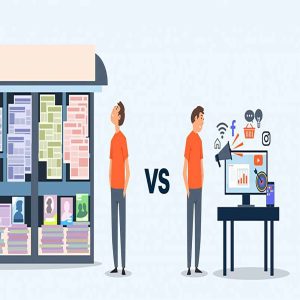
- Front-end: deals with the design and development of the presentational components of a website or application that users directly interact with.
- Back-end: is responsible for processing data, managing databases, and performing various operations to support front-end functions.
2. Programming Languages:
- Front-end: Languages such as HTML, CSS, and JavaScript are used to design and implement the user interface.
- Back-end: Languages such as Python, Java, PHP, and Ruby are used to write code that runs behind the scenes.
3. Tools and Frameworks:
- Front-end: Tools like React, js, Angular and frameworks are used for beautiful design and user interactions.
- Back-end: Frameworks like Django, Express, Spring and Laravel are used for data management and communication with the server and database.
4. User Experience (UX):
- Front-end: The focus is on the user experience. Front-end programmers try to make the web page attractive and user-friendly.
- Back-end: The main focus is on security, efficiency and server performance so that information is processed and stored correctly.

The Importance of Front-End and Back-End Collaboration
While we explained the difference between front-end and back-end programming in the sections above, to create a complete web experience, the two must work together. For example, users send requests through the user interface (front-end), and these requests are processed by the server and data is retrieved from the database (back-end). Then, the processed results are sent to the front-end to be displayed visually to the user.

In Conclusion
Finally, the difference between front-end and back-end programming in terms of tasks, programming languages, and tools used, can be mentioned and examined. However, both are essential to creating a successful and user-friendly website design. Also, for developers, having knowledge of both front-end and back-end and the ability to do full-stack projects can be a big advantage.
Original release date: 10/17/1400
Update date: 11/06/1403