

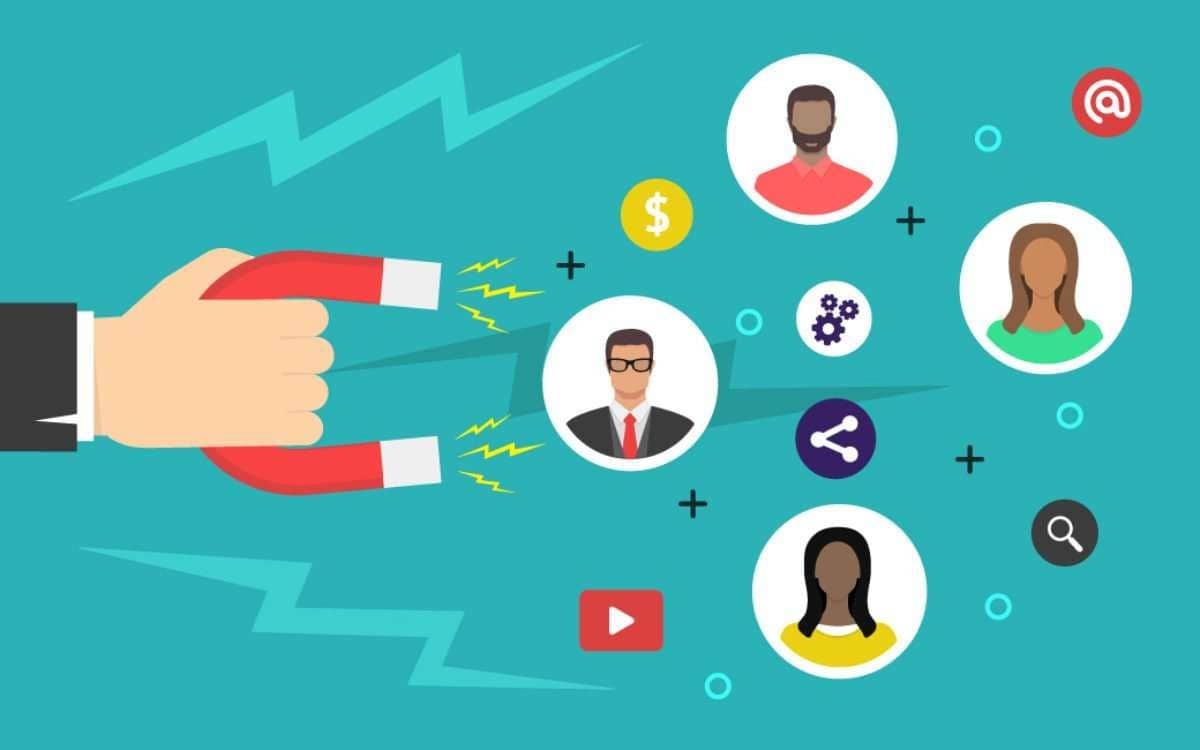
Cycle marketing refers to engaging with customers throughout the buying process, from first discovering your brand to becoming a loyal fan. This concept implies that you should provide engaging content to customers to guide them through the purchasing process through content marketing.
They delve deeper into the information you have provided them. They interact with your business first as a prospect, then as an interested party, and finally as an active customer.
From a cycle marketing perspective, a business’s relationship with a customer does not end with the sale of a product. Rather, after the first successful sale, the customer relationship strategy continues well.
To help you better understand the concept of cyclical marketing, we are going to talk about the stages of this cycle and the goals for each of these stages.
Next, we will discuss the benefits of cyclical marketing, customer lifetime and how they affect your business. Also, in the final part of this article, we will provide you with examples of cyclical marketing campaigns that you can use in your business.
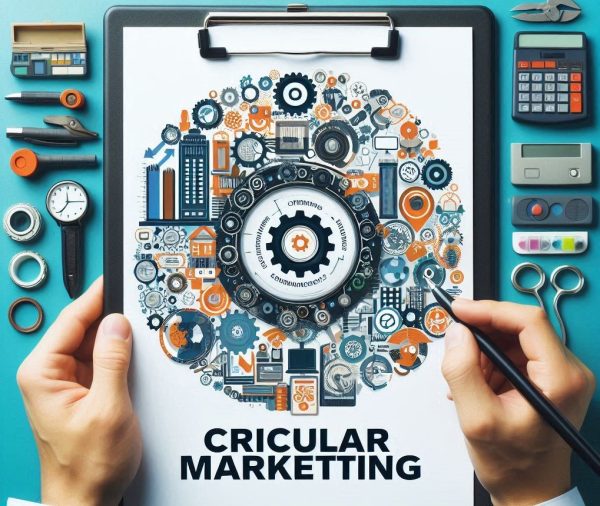
Six Stages of Cyclical Marketing
Cyclical marketing and its various stages have been described with different interpretations by marketing websites that are trusted by many users. Internet marketing experts describe these six stages for cyclical marketing:
1. Awareness
First, customers must become aware of your brand and products or services. Awareness should be done in the first stage. You should make the best possible impression on the customer at this stage, so that customers can become eager to receive your services and products on the way to becoming buyers.
2. Engagement
Customers enter this stage when they are ready to engage with your brand and respond to your marketing messages. This happens when they are browsing your website or browsing your social media pages.
The simplest form of engagement is following your social media accounts and subscribing to marketing content and newsletters that are sent to people via email. Think of this type of engagement as your first attempt at building a relationship with your customer through social media and email marketing.
3. Evaluation
Once you have your customers’ attention, the next step is to drive them to places or content that encourage them to comment on your products. Places like social media, websites, YouTube channels, or blogs can be very helpful.
Customers want information so they can weigh the pros and cons of options and make the best choice. In this step and the next, your customer relationship strategy will again be effective.
4. Purchase
In the marketing cycle, the first three stages focus on customer engagement campaigns and driving them to the checkout page. The purchase stage, from the customer’s perspective, is about paying for orders and ensuring that payment methods are easy, secure and reliable. A flawless checkout process can foster a great relationship between buyers and sellers. While a difficult and complicated process can discourage buyers from buying again.
5. Delivery and Support
Customers are very likely to drop out of the marketing cycle after their first purchase. But if your goal is to attract loyal customers, you need to act in a way that keeps them from dropping out of the final stage of the sales funnel.
So, at this stage, you need to support the customer, prioritize their needs, and provide them with quality products and services. Supporting customers is made much easier by providing reliable, timely, and adequate support to the customer. In cyclical marketing campaigns, responding to customer needs is a crucial factor in building customer trust.
6. Loyalty and Support
If you succeed in the support and support stage, satisfied customers can become enthusiastic advocates of your brand. If people are genuinely satisfied with your products and support services, they will tell their friends and family about your products and services, and even recommend your brand to others. But most importantly, they become loyal customers and enthusiastic fans of your brand.
A cycle, not a temporary campaign
The important feature of cyclical marketing is that it is not linear. Although it starts with an initiation stage (awareness stage), there is no end to this cycle. Therefore, if you continue to use cyclical marketing in your business, you will achieve long-term benefits.

Benefits of Cyclical Marketing
Investing in customer engagement campaigns is about closing deals and generating sales opportunities. But for long-term success, you need to focus on maintaining long-term relationships with your customers. The following are some of the benefits that can come from successful cyclical marketing campaigns in your business:
- Strengthens your marketing skills. Because the marketing strategy introduces you to the stages that the customer goes through.
- Improves customer service and customer retention.
- Enhances your brand image.
- Builds long-term relationships with customers.
- Increases your customer lifetime value, which determines the amount of revenue that a customer brings to the company as long as they are in contact with your products.
- Increases cost savings. Because acquiring new customers is more expensive than retaining existing customers.
- Saves time.
- You gain better understanding of your business market and find out the weaknesses of your business and ways to overcome them. Customer support increases and leads to improved products and support services. And more importantly, you’ll gain insight into an effective customer engagement strategy.
Examples of Customer Engagement Campaigns
Here are some practical tips and strategies for each of the six stages of the marketing cycle, so you can reap the benefits of customer lifecycle marketing.
Awareness
- Know your customer personas so you can fine-tune your customer engagement campaigns.
- Do keyword research. Better yet, enlist the help of an internet marketing expert to help you find the words, terms, and phrases your target audience is searching for online.
- Invest in online advertising. Also, include your keyword search results in search engines, social media, and websites. Experienced pay-per-click (PPC) specialists, along with professional content writers, can provide you with the highest-performing ads.
- If your target market is offline, it’s best to invest in offline marketing. To do this, install digital signage in your local shopping mall and put up canvas banners on billboards on the main streets of your city. Visually, you can do a lot for your business to attract the attention of local customers.
- Work with influencers. Influencer marketing can expand the reach of your marketing efforts.
Interaction
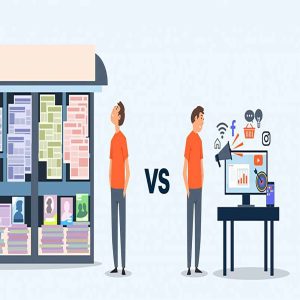
- Create pages that are concise and easy to understand about your products, services, or business, and that are easy to navigate.
- Invest in content for marketing and informational purposes. For example, create videos that show customers how to use your products and services. Video can be a great format for publishing on websites and sharing on social media. Additionally, over 80% of business owners report that videos increase the customer lifecycle, help with customer acquisition, and increase sales.
- Publish content on blogs that answer customer questions.
- Identify your target market and engage there. If your target market is on social media, start by engaging on Twitter, Facebook, or Instagram. If your target customers are on LinkedIn, post useful content on your business’s LinkedIn page.
- Consult with marketing experts on the type of content your target market is most likely to engage with. You may have noticed that some digital marketers specialize in a specific niche or industry because they’ve spent years studying the market. Their knowledge can help customers navigate their way to the final stage of the sales funnel faster.
Evaluation
- If you can, offer customers a free trial or satisfaction guarantee. These offers can lead to increased trust in your products and services, especially among your first-time customers.
- Show complete and accurate pricing information on your website and other online platforms.
- Enable customer reviews on your pages.
- Provide opportunities for customers to express their opinions on product features in detail. Reviewing reviews helps build customer trust.
- To learn how to achieve the highest possible conversion and purchase rates on e-commerce sites and social networks, consult with experts in the field of conversion rate optimization. They will help you understand how your audience interacts with the content on your virtual pages and grow your audience. You can increase your product sales by working with and consulting with CRO experts to improve conversion rates.
Shopping
- Provide more than one payment option for customers. Today, as we live in the digital age, a variety of banking and online payment services are available to customers. At this stage, payment terms should be easy. So, use the online payment options that are most used among your audience. These options can be credit card payments and payments via Paypal and Cash App.
- Add shoppable content to your website and social media posts. This content provides instant purchase for users and shortens the purchase process.
Delivery and Support
- Provide free or lifetime support services to customers if you can.
- Provide customer support channels on social media such as live chat, private messages, and phone lines.
- Answer customer questions on your FAQ page.
- Create a group where you can provide detailed answers to problems and bugs. One way to address concerns without disrupting your FAQ page is to create a forum.
Loyalty and Support
- Have a plan to encourage repeat customers.
- Provide incentives for your current customers.
- Encourage first-time customers to review your product. This will help them become brand advocates and enthusiastic about your product.
- Offer complementary products to customers when they add a product to their cart.
- Send exclusive discounts, offers, and newsletters to your subscribers.
Do You Need a Marketing Cycle Optimization Expert?
Supporting your customers through creating marketing cycles naturally creates strategies that increase customer trust and loyalty. However, when you’re too focused on increasing sales and revenue, it can be challenging to put yourself in your customers’ shoes. Therefore, conversion rate and optimization experts can help you understand your customers’ goals and build effective customer relationships.
Conversion rate optimization experts can help you define strategies to increase your conversion rates immediately. These strategies include changing the font, color, and style of content, and even deciding on the questions in the submission forms.
In addition, the expertise of experts in strengthening customer relationships is very important. They will help you learn how to keep your audience engaged in cyclical marketing in a natural and voluntary way. Therefore, conversion rates are essential for establishing a lasting relationship with customers.
In conclusion
Cyclic marketing is an efficient method of marketing. Since marketing is an important part of a business and requires investment, it is better to make the most of every dollar you spend on it.
Cyclic marketing is the best approach to have cost-effective marketing with long-term benefits. Because, the cost of adding new customers to your business is higher than keeping existing customers and converting them into regular buyers. On the other hand, gaining customer trust makes buyers become advocates for your brand.
We hope this article has been helpful in understanding the concept of this type of marketing and its methods.
Original publication date: 18/07/2021
Update date: 26/10/2023